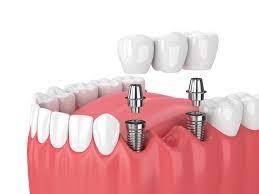
Dental implants are a popular and effective solution for replacing missing teeth. They consist of three main components:
1. Implant Fixture: A titanium post that is surgically inserted into the jawbone to serve as a replacement root.
2. Abutment: A connector piece that fits onto the implant fixture and holds the replacement tooth in place.
3. Crown:The visible part of the implant that looks and functions like a natural tooth.
1. Natural Appearance: Dental implants are designed to look and feel like your natural teeth. They can blend seamlessly with your existing teeth.
2. Improved Functionality: Implants restore full chewing ability and support proper speech, enhancing overall oral function.
3. Durability: With proper care, dental implants can last a lifetime. They are made from biocompatible materials like titanium that integrate with the bone.
4. Bone Health: Implants help preserve jawbone density by stimulating bone growth, which prevents bone loss that often occurs with missing teeth.
5. No Impact on Adjacent Teeth: Unlike dental bridges, implants do not require altering adjacent teeth, preserving their integrity.
1. Initial Consultation
The process begins with a thorough dental examination, including X-rays or 3D scans, to assess the condition of your jawbone and determine the appropriate implant placement.
2. Implant Placement
During a minor surgical procedure, the implant fixture is placed into the jawbone. This is usually done under local anesthesia.
3. Osseointegration
Over several months, the implant integrates with the surrounding bone in a process called osseointegration. This ensures a secure and stable foundation for the replacement tooth.
4. Abutment Placement
Once the implant has integrated with the bone, a small connector piece (abutment) is attached to the implant.
5. Crown Placement
Finally, a custom-made crown is attached to the abutment. The crown is designed to match the color, shape, and size of your natural teeth.
1. Oral Hygiene
Maintain excellent oral hygiene by brushing and flossing regularly. Use a soft-bristled toothbrush and non-abrasive toothpaste to clean around the implant.
2. Regular Check-Ups
Schedule regular dental check-ups and cleanings to ensure the health of the implant and surrounding tissues.
3. Avoid Hard Foods
Be cautious with very hard or sticky foods that could potentially damage the crown.
4. Quit Smoking
Smoking can impair healing and increase the risk of implant failure, so quitting is highly recommended.