At SomDental, we understand that a jaw fracture can be a serious and distressing injury. Our expert team is dedicated to providing comprehensive care to ensure your jaw heals properly and you return to your normal activities with ease.
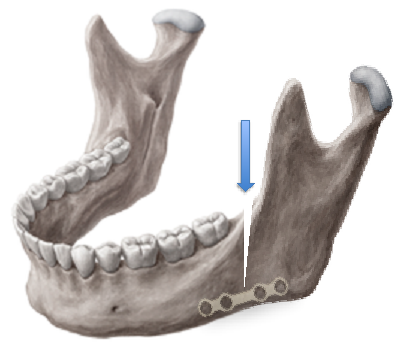
A jaw fracture, also known as a mandibular fracture, involves a break in the lower jawbone. Common causes include accidents, falls, or trauma. Proper diagnosis and treatment are essential for effective healing and function restoration.
Simple Fracture: A clean break in the jawbone without displacement.
Compound Fracture: The bone breaks through the skin or mucous membrane.
Comminuted Fracture: The bone is shattered into multiple fragments.
Displaced Fracture: The bone ends are misaligned and require realignment. Recognizing the Symptoms
Pain and Tenderness: Particularly around the jaw area.
Swelling and Bruising: Noticeable around the face and jaw.
Difficulty Moving the Jaw: Trouble with opening or closing your mouth.
Misalignment of Teeth: Teeth not aligning properly.
Numbness: In the jaw or lip area, possibly indicating nerve involvement.
Physical Examination: Our team will assess your symptoms and the nature of the injury.
Imaging: We use X-rays or CT scans to accurately determine the extent and type of fracture.
1. Non-Surgical Treatment
Rest and Ice: Apply ice packs to manage swelling and pain. Rest your jaw to avoid additional stress.
Pain Management: We provide pain relievers to ensure your comfort during recovery.
Soft Diet: Adhere to a soft food diet to minimize jaw movement. Avoid hard or chewy foods.
Jaw Immobilization: We may use bandages or special devices to stabilize the jaw.
2. Surgical Treatment
Reduction: Realignment of the bone fragments, if necessary.
Fixation: Stabilizing the fracture with plates, screws, or wires to ensure proper healing.
Rehabilitation: Post-surgical physical therapy to help restore normal jaw function.
Recovery and Aftercare
Follow-Up Appointments: Regular visits to monitor your healing process and make any necessary adjustments.
Oral Hygiene: We emphasize maintaining good oral hygiene to prevent infections.
Avoiding Stressful Activities: Refrain from activities that could hinder the healing process.
Possible Complications
Infection: There is a risk of infection at the fracture site or surgical area.Non-Union/Malunion: Issues with bone healing can occur.
Nerve Damage: Potential numbness or altered sensation.
Jaw Dysfunction: Difficulty with normal jaw movement.
When to Contact Us
Severe or worsening pain
Significant swelling or rapid increase
Difficulty breathing due to swelling
Signs of infection like redness, pus, or fever
Preventing Jaw Fractures
Protective Gear: Use appropriate protective equipment during high-risk activities or sports.
Safety Measures: Implement safety precautions at home and work to avoid accidents.
At SomDental, our goal is to provide you with the best care possible for a full and speedy recovery from a jaw fracture. If you suspect you have a jaw fracture or have any concerns, don’t hesitate to contact us for expert care and support.