
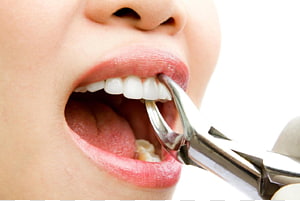
Tooth Removal (Dental Extraction) is a common and safe dental procedure performed when a tooth is severely damaged, decayed, infected, or causing discomfort. With modern techniques and anesthesia, extractions today are quick, painless, and highly effective in protecting your oral health.
Whether it's a simple extraction or a surgical/wisdom tooth removal, our goal is to ensure a comfortable experience and support complete healing.
Performed when the tooth is visible and easily accessible. Quick, painless, and done under local anesthesia.
Required when the tooth is broken, impacted, or not fully erupted. Includes minor surgical steps for safe removal.
Common if wisdom teeth are impacted, causing pain, leading to infection, or damaging nearby teeth.
No. Tooth extraction is performed under local anesthesia, making the procedure painless and comfortable. You may feel slight pressure, but not pain. Any mild soreness after the procedure is temporary and manageable.
You may need an extraction if you have severe decay or infection, broken or non-restorable tooth, impacted or painful wisdom teeth, advanced gum disease, overcrowding before orthodontics, or failed root canal treatment. A clinical exam and X-ray help confirm the need.
Most patients recover within 3–5 days for a simple extraction. Surgical or wisdom tooth removal may take 7–10 days. Proper aftercare speeds up healing.
For the first 24–48 hours, stick to soft foods like dal, khichdi, yogurt, soups, mashed fruits, and smoothies. Avoid hot, spicy, hard, and sticky foods until healing improves.
Bite firmly on the gauze pad for 30–45 minutes. Avoid spitting, using a straw, or rinsing vigorously for the first 24 hours, as these can dislodge the clot.
A dry socket occurs when the blood clot is lost early. It causes pain 2–3 days after extraction. Prevention includes avoiding smoking, avoiding straw use, following aftercare instructions strictly, and maintaining gentle oral hygiene.
Yes, for simple extractions. After wisdom tooth removal, you may need 1–2 days of rest.
Yes. Mild swelling is common for 24–48 hours, especially after surgical or wisdom tooth removal. A cold compress helps reduce it.
Not always. If the tooth has severe decay, fracture, infection, or is non-restorable, extraction is the safest option. Your dentist will discuss alternatives like RCT or crowns if saving the tooth is possible.
Costs vary depending on the type of extraction (simple extraction, surgical extraction, or wisdom tooth removal). Your dentist will provide an accurate estimate after examining the tooth and X-rays.
For the first 24–48 hours: Avoid smoking and alcohol, avoid heavy exercise, avoid hot and spicy food, avoid touching the area with your finger or tongue.
Contact your dentist if you notice persistent bleeding, severe pain after 2–3 days, fever or pus discharge, or bad odor from the extraction site. Early care ensures fast healing.