
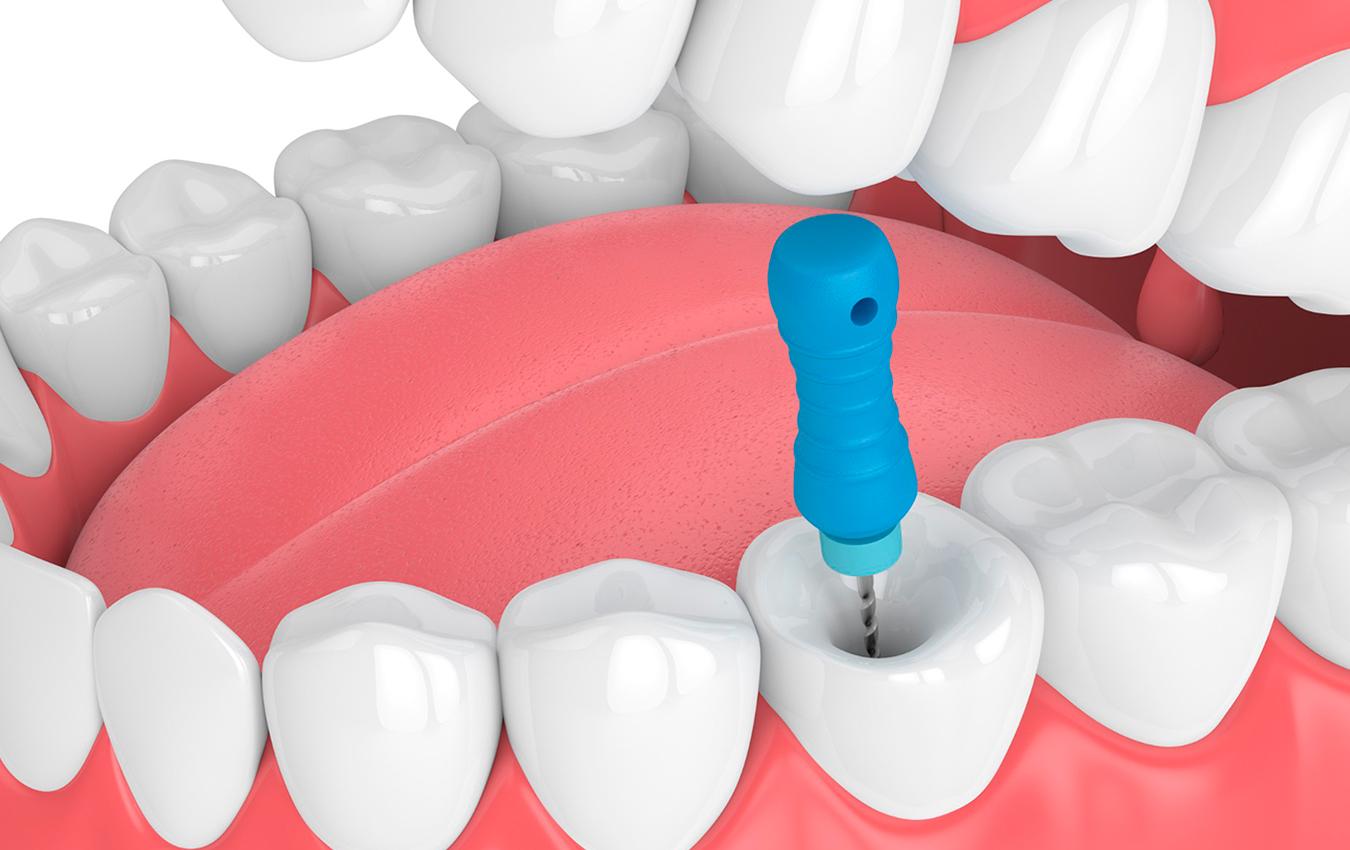
A Root Canal Treatment (RCT) is a highly effective dental procedure used to save an infected or severely decayed tooth. Instead of removing the tooth, the dentist cleans and disinfects the root canals, removes infection, and seals the tooth to prevent future problems.
Modern root canal treatments are safe, painless, and completed comfortably, helping you preserve your natural smile.
Modern dental technology makes RCT a comfortable and painless experience.
A Root Canal Treatment helps save your natural tooth and prevents extraction.
Early treatment prevents the spread of infection and avoids tooth extraction.
Prevents the need for extraction.
Eliminates the cause of infection and discomfort.
Allows normal chewing and biting.
Stops infection from spreading.
With a crown, treated teeth can last many years.
Modern techniques make the procedure smooth and minimally painful.
Without treatment, an infected tooth can lead to serious complications:
RCT is the best way to save the tooth and restore oral health.
Modern root canal treatment is virtually painless. Local anesthesia ensures comfort, and most patients feel immediate relief from the pain caused by infection.
You need an RCT when the pulp (nerve) inside the tooth is infected or inflamed due to deep decay, cracks, trauma, or repeated dental procedures. Without treatment, the infection can spread and lead to severe pain or tooth loss.
A typical RCT can be completed in 1–2 visits, depending on the severity of infection and the tooth involved.
The dentist removes the infected nerve tissue, cleans the canals, disinfects them, and fills them with a biocompatible material. A crown is usually placed afterward to strengthen the tooth.
In most cases, yes. A dental crown protects the treated tooth from fracture and restores its full strength and function.
With proper care, a root canal-treated tooth can last as long as your natural teeth. Good oral hygiene and regular dental checkups are essential.